


What to do after logging into your VPS for the first time: how to properly configure a Linux server, secure SSH, close unnecessary ports, and prepare the system to launch your website.

Articles by this author

What to do after logging into your VPS for the first time: how to properly configure a Linux server, secure SSH, close unnecessary ports, and prepare the system to launch your website.

10 Useful Linux Commands That Many People Forget. Less-Obvious Tools for Working with Files, Processes, Networking, and Linux Server Diagnostics.

A checklist for monthly Linux server maintenance, including checks for updates, disks, logs, security, background tasks, and backups. Practical commands and step-by-step instructions.

Optimizing a Linux server's boot process helps identify bottlenecks in systemd, the network, the kernel, and fstab; check the critical path; and reduce the overall system boot time.

What to do if you run out of space in /var on a Linux server. Step-by-step troubleshooting and safe cleanup of logs, Docker, journald, and APT in Debian and Ubuntu.

Configuring gzip and Brotli in Nginx: compressing HTML, CSS, and JavaScript; choosing a compression level; reducing server load; and troubleshooting common issues.
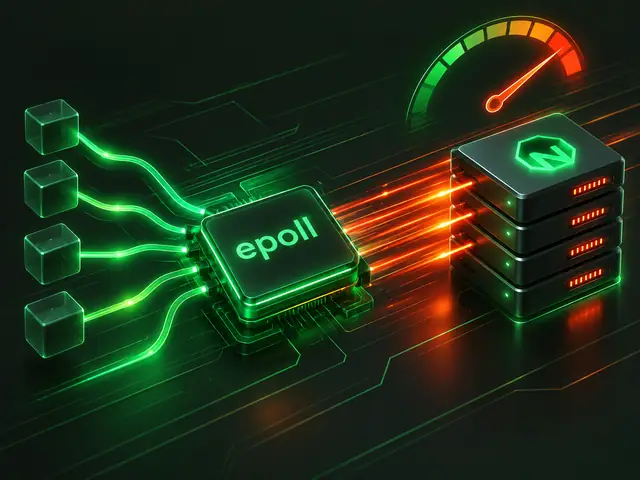
What is epoll, and why is Nginx considered one of the fastest web servers? We’ll take a closer look at how epoll works, how it differs from select and poll, its event-driven model, and how to configure Nginx.

Safely removing old Linux kernels in Ubuntu, Debian, AlmaLinux, Rocky Linux, and CentOS. Cleaning up the /boot partition, working with APT and DNF, updating GRUB, and protecting the server from post-update errors.

Finding the largest files and directories in Linux using du, find, and ncdu. Checking logs, cleaning up Docker, analyzing disk usage, and ways to prevent disk space from running out.
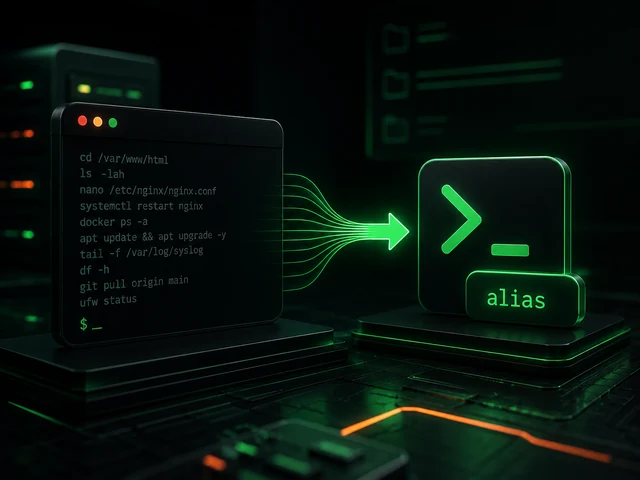
Setting Up Bash Aliases in Linux for Efficient Server Administration. Practical Examples, Useful Commands, and Recommendations for Working with ~/.bash_aliases and Improving Terminal Productivity.